
MEDIA RELEASE
The latest information from the Australian Government assesses almost 20% of Australia’s more than 2000 bird and mammal species at high to extreme risk from the virus, first detected on the Australian mainland in June 2026. Initially confined to migratory birds, the highly virulent H5N1 avian flu strain was detected in local birds in late July.
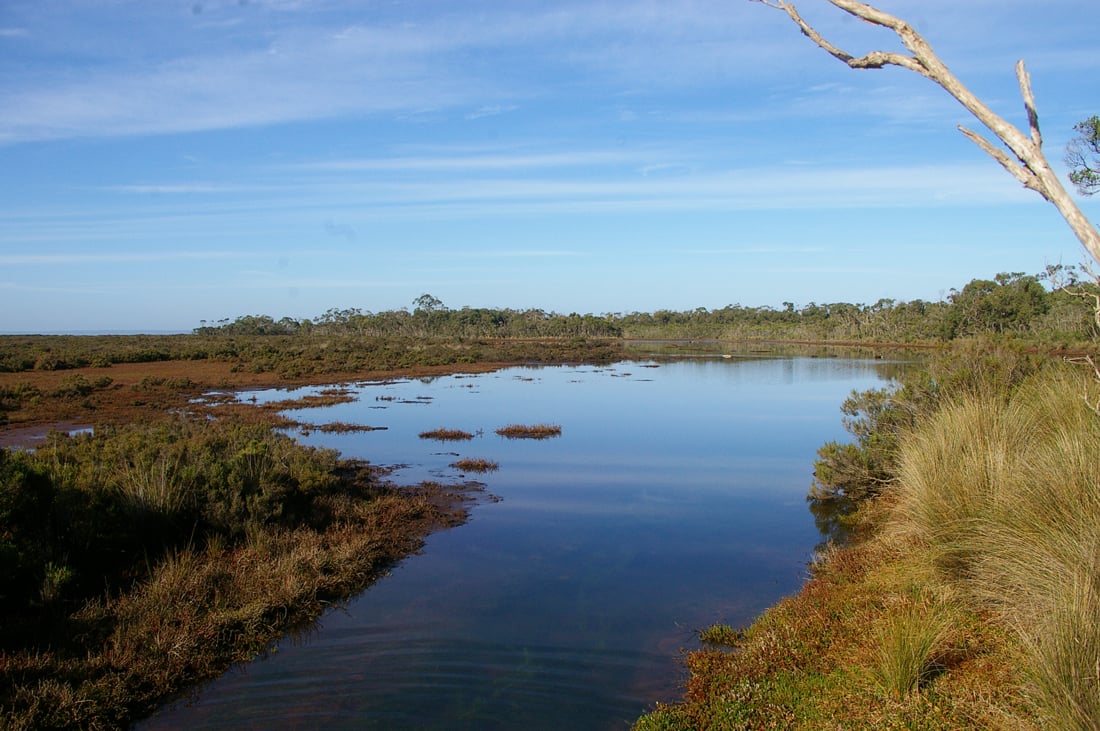
For the thousands of birds and mammals that inhabit Western Port Biosphere’s wetlands and shoreline, avian flu poses a serious threat, although so far no infections have been recorded in the region.
Western Port Biosphere’s CEO, Mel Barker, says the best defence for our bird and mammal populations is public vigilance.
“We may not be able to prevent the arrival of bird flu on the Mornington Peninsula and around Western Port, but staying alert and reporting sick or dead birds or marine mammals can help limit its impact.
“The implications for our region are not only the potential devastation of wildlife populations, but also economic. Bird flu puts our iconic Phillip Island fairy penguins and associated tourism at risk and our substantial poultry industry.”
The future of several populations of Western Port’s wild bird species could be severely threatened, even wiped out should avian flu hit. The avian flu risk ratings* attached to these by the Australian Government is highest for migratory and shore birds and include:
*National risk scores for H5 bird flu for native birds and mammals, Australian Government Department of Climate Change, Energy, the Environment and Water (DCCEEW), published 4 August 2026.
Under advice from government agriculture departments and other experts, poultry farmers are already taking action to protect their animals, by limiting their opportunities to come into contact with wild birds.
Whether motivated by protecting our natural birds or protecting the economy and jobs for our local communities, public vigilance and action are critical to minimising the impact of avian flu across the Western Port Biosphere.
If you encounter sick or dead birds, or marine mammals, there are simple things you should do:
Details that will assist the response include:
As a first step, we recommend adding the emergency hotline number into your mobile phone contacts to make it easier to call.
For a place like the Western Port Biosphere, where wetlands, marine habitats, wildlife and people are deeply connected, protecting ecosystem health requires ongoing vigilance.
For more information:
Western Port Biosphere Reserve Foundation
Mel Barker CEO P: 0466 235 611
There are multiple sources for monitoring avian flu with regular information updates:
Department of Agriculture, Fisheries and Forestry (DAFF)
Information on avian influenza, Australia’s response, biosecurity measures and reporting requirements:
Bird flu (Avian influenza) – DAFF
BirdLife Australia – Avian Influenza Resources
Updates, fact sheets and information on the impacts of H5N1 on wild birds and migratory species:

"*" indicates required fields
PO Box 261, Hastings VIC 3915
Australia
Ph: (03) 5979 2167



Photography credits: J Harrison (eastern curlew).
Unless otherwise stated all content, including the logo, are copyright © Mornington Peninsula and Western Port Biosphere Reserve Foundation Ltd.
The content and logo must not be used without the Foundation’s written consent.